
Meet the Speaker
Nicki has over 25 years experience in pharmaceutical and biotechnology R&D in a variety of senior scientific and commercial leadership roles. She is CEO of Cambridge-based TRIMTECH Therapeutics (an MRC LMB/UK DRI spin-out), which focuses on a novel targeted protein degradation (TPD) approach to treat neurodegenerative diseases. Nicki led TRIMTECH through its recent $31M seed financing. Nicki was also founding CEO of Amphista Therapeutics, leading the company through its series A and B financings and spearheaded Amphista's collaborations with BMS and Merck KGaA. She was previously VP and Global Head of External Drug Discovery at F. Hoffmann-La Roche Ltd and prior to that, Senior Director, Business Development for GSK's external drug discovery and external innovation groups. Nicki's Biotech experience also includes her roles as CBO, then Chair of the Board for Nanna Therapeutics Ltd (acquired by Astellas Pharma Inc.) and Chair of the Board for Camena Bioscience. She holds a PhD in Cell Biology from University College London

Interview from 2025
Can you give us a sneak peek of what TRIMTECH has in store for us at the 8th TPD Summit in October?
Nicki: TRIMTECH is focused on using a novel E3 ligase, TRIM21, to degrade protein aggregates - particularly those involved in neurodegenerative diseases. At the conference, we’ll be sharing the progress we’ve made with our platform, which is designed specifically to develop CNS-penetrant small molecules. Since our Seed Financing, we’ve concentrated on building out this platform with that CNS focus in mind.
We'll provide updates on both the technology itself and our evolving portfolio - particularly how we’re approaching targets implicated across various neurodegenerative conditions. Some of the data we’ll present has already been published, especially from vectorized approaches developed by our scientific founders. But we’ve since advanced significantly on the small molecule side. We’ll be highlighting that transition and some of the exciting progress we’re making towards developing differentiated medicines for these diseases.
As a veteran of the field—founding CEO of Amphista and now leading TRIMTECH—what challenges do you see for TPD over the next 6–12 months?
Nicki: Targeted protein degradation has made huge strides in recent years, but like any new modality, one of the biggest challenges is demonstrating clear differentiation, especially versus small molecule inhibitors. Ultimately, clinical efficacy will be the deciding factor. We’re beginning to see promising signals, but more clinical data over the next 12 to 24 months will be critical. That’s what will really validate the modality.
Another key area is tissue specificity, particularly accessing challenging compartments like the CNS. Unlocking those kinds of targets is where I see the biggest opportunity, and also the biggest challenge. But I'm excited to see how the field continues to evolve in that direction.
Do you see any advantages that TPD already has over other
modalities targeting similar indications?
Nicki: Yes—TPD is a small molecule modality, which gives it a significant advantage when addressing large patient populations, like those with neurodegenerative diseases. Many advanced modalities - biologics and gene therapies - can be powerful but are often impractical for large-scale application.
What we need is a small molecule approach that can access the CNS and target the toxic protein aggregates that traditional inhibitors struggle with. If we can achieve that, we’re unlocking new therapeutic potential for patient populations that currently have no effective options. That’s why we’re doing what we’re doing. There’s still a place for biologics and gene therapy, but when it comes to scale, small molecules are essential.
What do you think lies in TPD’s future? Are there particular new directions or developments you expect?
Nicki: One exciting trend is the expansion of TPD beyond oncology. We're starting to see promising activity in areas like inflammatory disorders - which is something TRIMTECH is also exploring. We believe our mechanism allows us to target quite different proteins in that space. That’s why the neuro space is a major focus for us. While there are now several groups working on CNS applications, we still don’t fully understand the
"rules" for how to achieve CNS penetration with degraders, but the field is definitely making progress in this area
That presents both a challenge and an opportunity. By designing CNS-accessible molecules from the outset, and pairing them with targets previously considered intractable, we can move into therapeutic areas that have historically been out of reach for conventional approaches. Early-stage work across the field is also pushing the boundaries on how we unlock new targets particularly those that the first generation of inhibitors couldn’t tackle.
Given everything we’ve discussed, what benefits do you see in attending the TPD Summit—for yourself and for the wider community?
Nicki: The real value of the Summit is that it brings together the wider TPD community. This is still a relatively young modality, and we have contributions from
foundational leaders, emerging companies working on novel mechanisms, and those breaking into new therapeutic areas.
It’s an opportunity to cross-pollinate ideas across bifunctionals, molecular glues, and new generations of innovation. Sharing learnings - particularly around clinical translation - is essential if we want to grow together.
No single group has all the answers, but together we’re building something that has the potential to fundamentally change medicine. The summit is one of the few places where that kind of collective progress can happen in real time.
Any final thoughts or message you’d like to share with readers of this interview?
Nicki: I truly believe there’s enough scope in this field for all of us to succeed. There are so many approaches, and so much room for innovation, that we’re not really in competition, we’re cheering each other on. That sense of community and shared purpose is one of the things I love most about working in TPD.
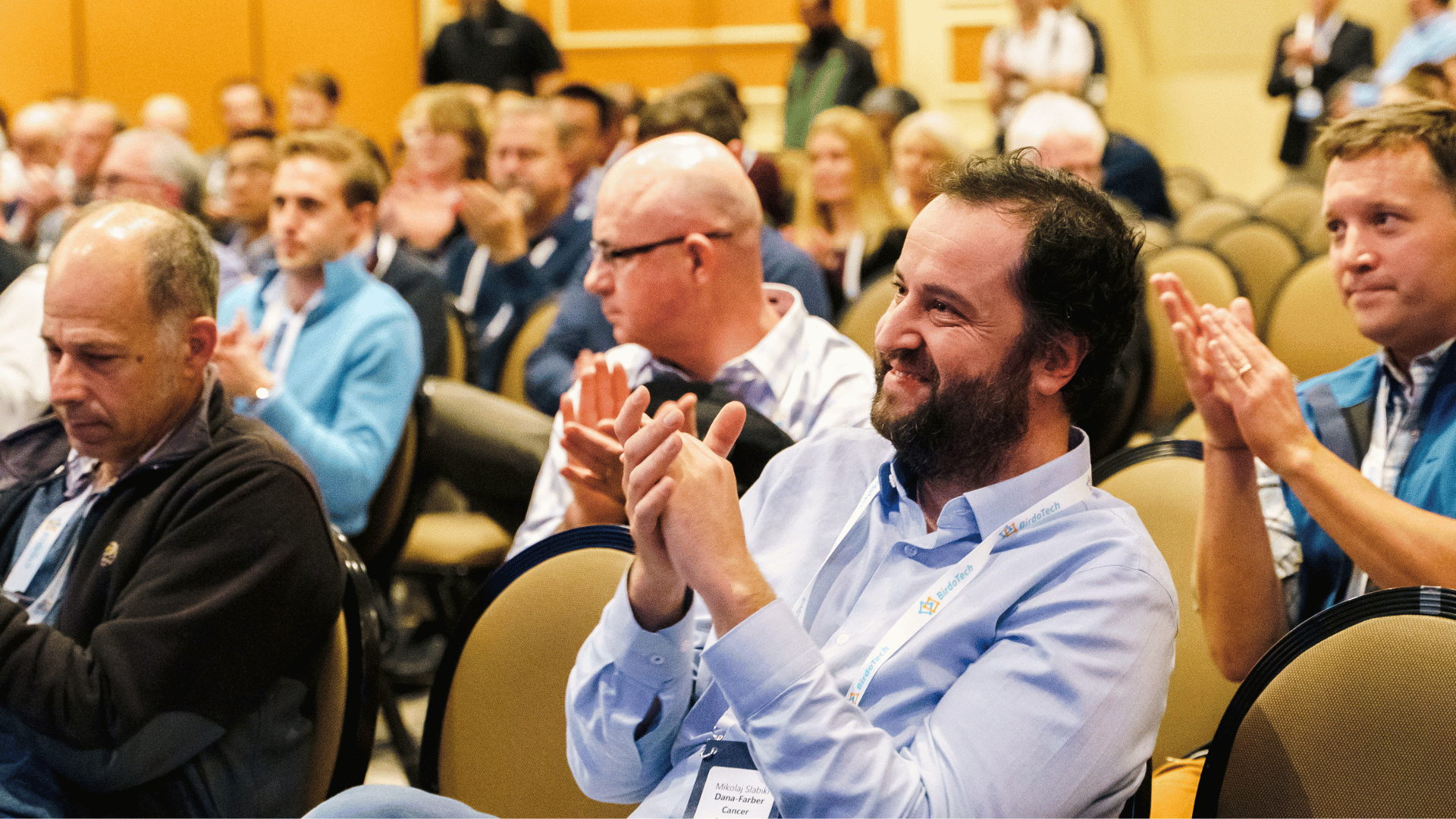
Explore the Agenda
Explore tracks spanning Research Breakthroughs, Discovery, Preclinical Development, Translational and Clinical Development, Latest Tools & Technology and the Future of Induced Proximity.
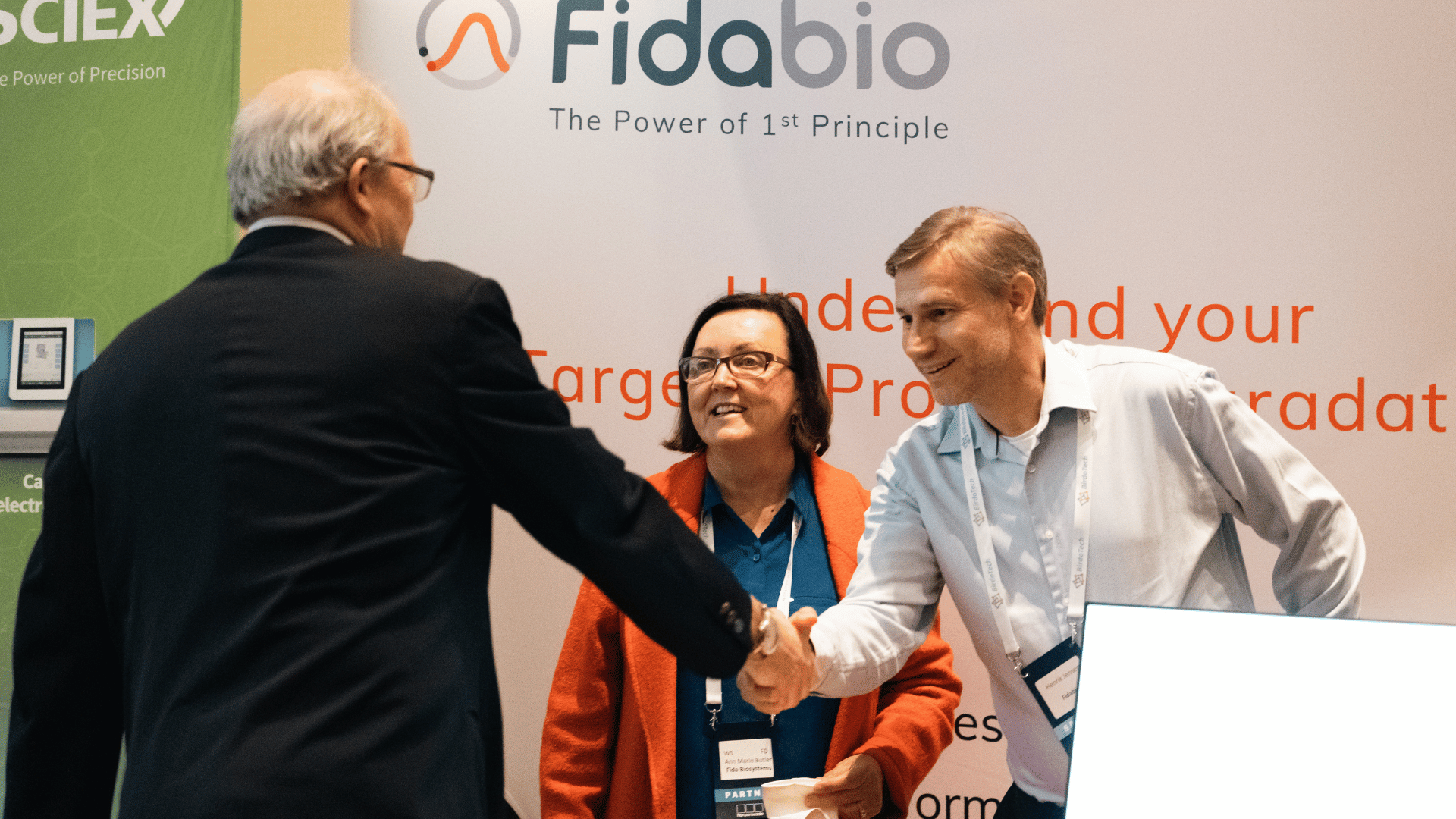
Partner With Us
Position yourself alongside as the leading solution provider to ensure your brand is at the heart of TPD biopharma deals.
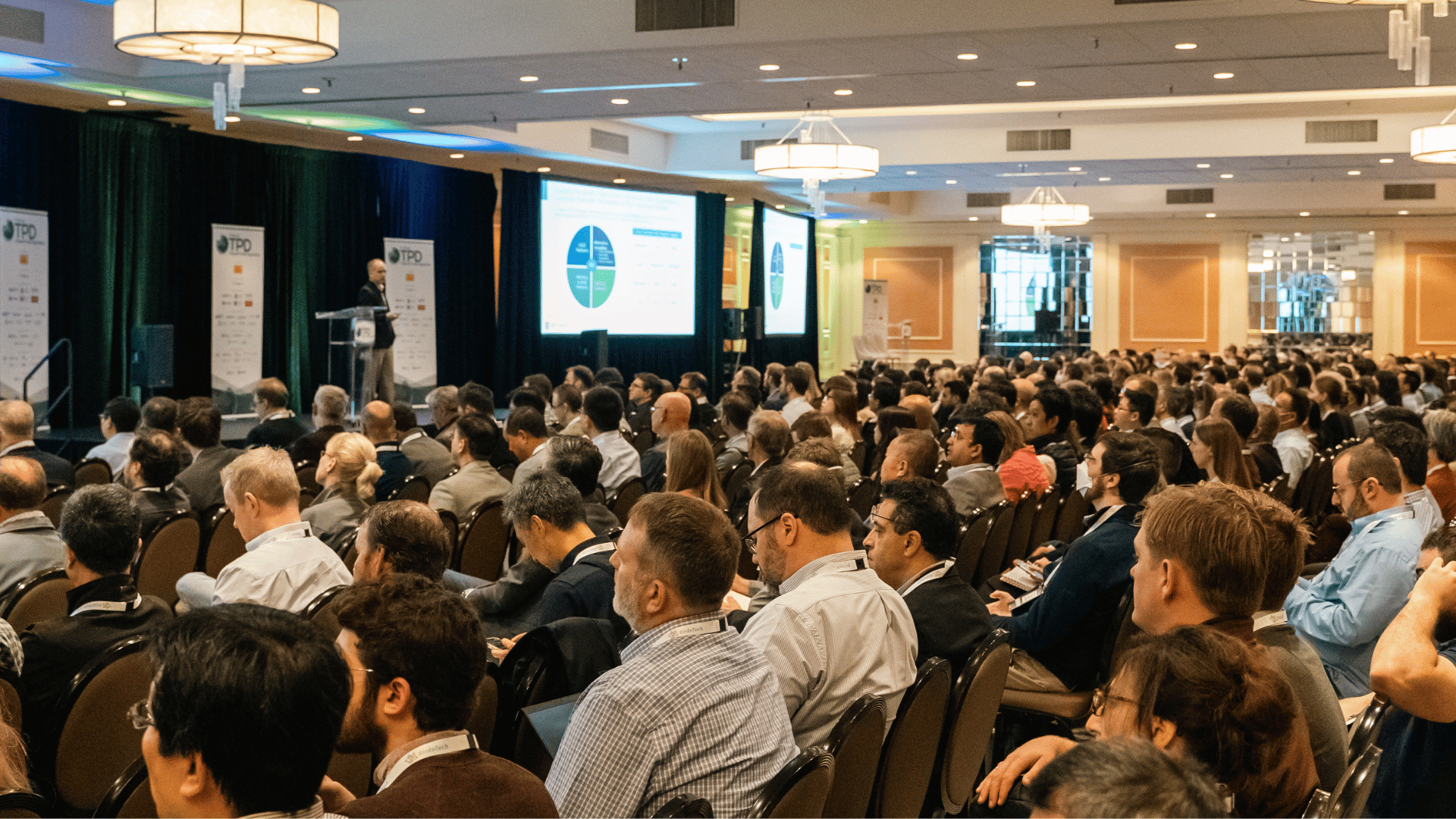
Join Biopharma Experts
Be part of the hottest conversations with like-minded attendees spanning all stages of drug development and make critical connections during our dedicated networking sessions.